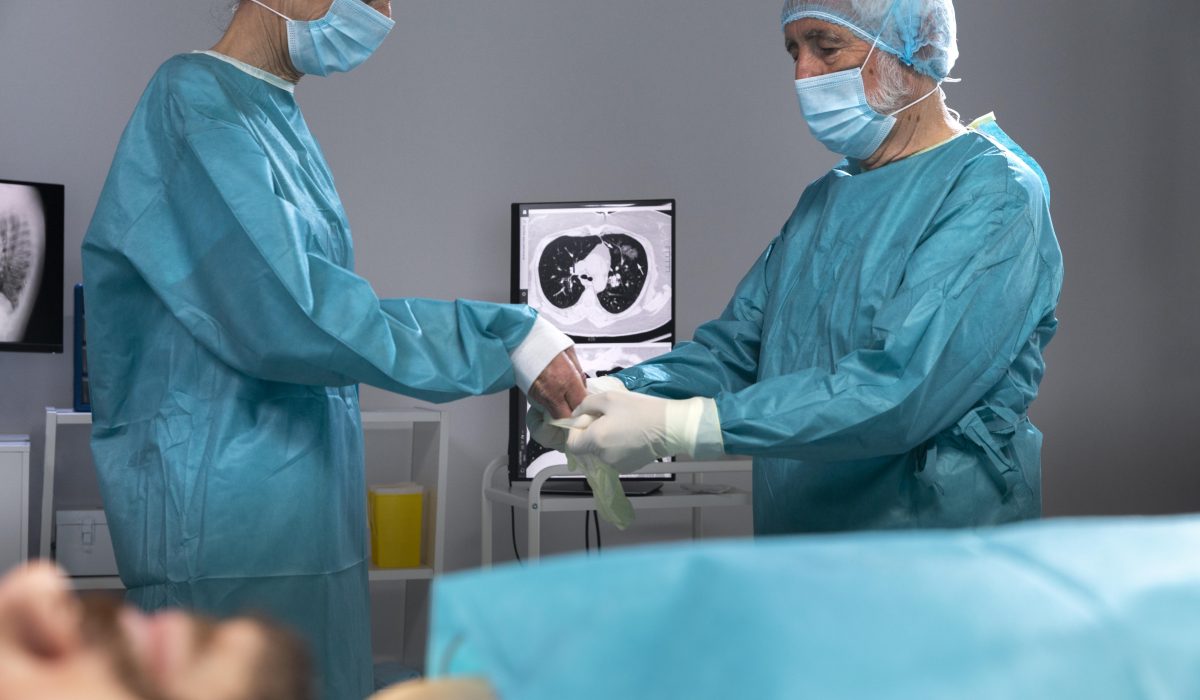
Introduction to Adrenal Cancer Surgery
Adrenal cancer surgery is a key treatment for tumors in the adrenal glands. These glands sit above your kidneys and help control hormones. When a tumor forms, doctors may suggest surgery to remove it. Often, this is called adrenalectomy. Early treatment can improve outcomes, so understanding why surgery is needed is important.
Reasons for Adrenal Cancer Surgery
Doctors recommend adrenal cancer surgery for several reasons. First, surgery can remove cancerous tumors before they spread. In many cases, it is the best way to treat adrenal cancer. Here are common reasons for adrenal gland surgery:
For these reasons, adrenal tumor removal is often the first step in treatment.
Symptoms Leading to Surgery
Sometimes, people do not notice symptoms at first. However, certain signs may lead your doctor to suggest surgery. For example, you might experience:
Because these symptoms can be caused by other issues, it is important to see a doctor for proper testing.
Diagnosis and Evaluation
Before recommending adrenal cancer surgery, doctors use several tests. First, they may order blood and urine tests to check hormone levels. Next, imaging tests like CT scans or MRIs help find the tumor’s size and location. Sometimes, a biopsy is needed to confirm if the tumor is cancerous. After all tests, your doctor will decide if surgery is the best option.
Benefits and Goals of Surgery
The main goal of adrenalectomy is to remove all cancer cells. This can stop the cancer from spreading. In addition, surgery can help restore normal hormone levels. Here are some key adrenalectomy benefits:
For many patients, surgery offers the best chance for a cure.
Risks and Considerations
Like all surgeries, adrenal cancer surgery has risks. However, doctors take steps to keep you safe. Possible risks include:
Despite these risks, most people recover well. Your doctor will discuss these risks and help you decide what is best for you.
Recovery and Aftercare
After adrenal tumor removal, you may stay in the hospital for a few days. Most people can return to normal activities within a few weeks. During recovery, you may need hormone replacement medicine. Your doctor will monitor your progress with follow-up visits and tests. In some cases, more treatment like chemotherapy may be needed.
When to Consult a Specialist
If you have symptoms or a family history of adrenal tumors, see a doctor soon. Early diagnosis can make a big difference. Especially if you live far from a major hospital, ask about centers that specialize in adrenal cancer surgery. Many large cities have expert teams for this type of care.
In summary, adrenal cancer surgery is often the best way to treat tumors in the adrenal glands. It can remove cancer, reduce symptoms, and improve your health. Consult a specialist for personalized guidance on adrenal cancer surgery.