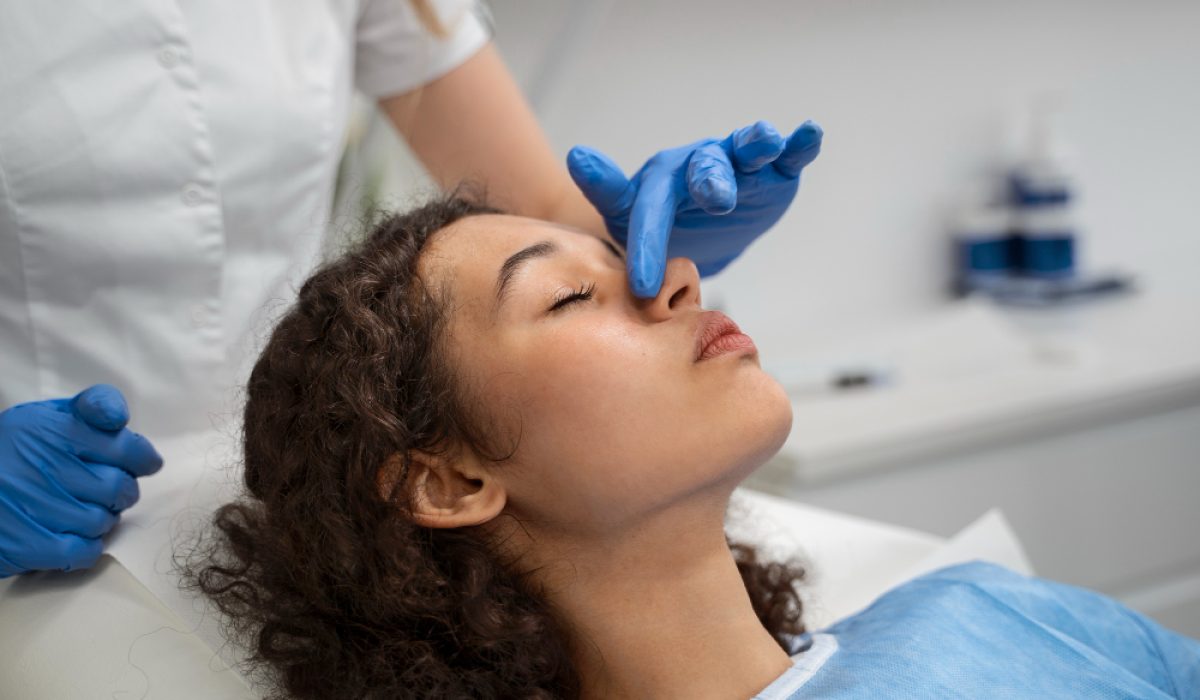
What Are Nasal Tumors?
Nasal tumors are growths that form inside the nose. These growths can be either non-cancerous (benign) or cancerous (malignant). Because the nose is important for breathing and smelling, any tumor here can affect daily life. Early understanding of nasal tumors helps people spot problems sooner. This can lead to better outcomes. Nasal tumors are rare, but knowing the signs and risks is important for everyone.
Common Symptoms of Nasal Tumors
Often, nasal tumors do not cause symptoms right away. However, as they grow, you may notice changes. Early detection is key, so watch for these signs:
Sometimes, these symptoms can be caused by other conditions. Still, it is important to get checked if they last more than two weeks.
Causes and Risk Factors
Doctors do not always know what causes nasal tumors. But, some factors can raise your risk. Understanding these can help you stay alert.
For example, people who work in furniture or shoe factories may have a higher risk. Always use protective gear if you work around dust or chemicals.
How Nasal Tumors Are Diagnosed
Doctors use several steps to diagnose nasal tumors. Early diagnosis can improve treatment results. Here is how the process usually works:
Sometimes, blood tests or other exams may be needed. If you live in a rural area, you may need to travel to a larger hospital for these tests.
Treatment Options for Nasal Tumors
Treatment depends on the type, size, and location of the tumor. Your doctor will discuss the best plan for you. Common treatments for nasal tumors include:
Each treatment has risks and benefits. Your care team will help you understand your choices. In some cases, you may need to visit a cancer center for advanced care.
Prevention and Lifestyle Tips
While you cannot prevent all nasal tumors, you can lower your risk. Try these tips to protect your nose and overall health:
Additionally, staying active and managing stress can help your body stay strong.
When to See a Doctor
If you notice any symptoms of nasal tumors, do not wait. Early action can make a big difference. See a healthcare specialist if you have:
Remember, many nose problems are not cancer. However, only a doctor can tell for sure. If you have concerns, book an appointment as soon as possible.
Conclusion
Nasal tumors can affect anyone, but early detection and treatment improve outcomes. If you notice symptoms or have risk factors, consult a healthcare specialist for advice about nasal tumors. Your health is important, so do not delay seeking help.