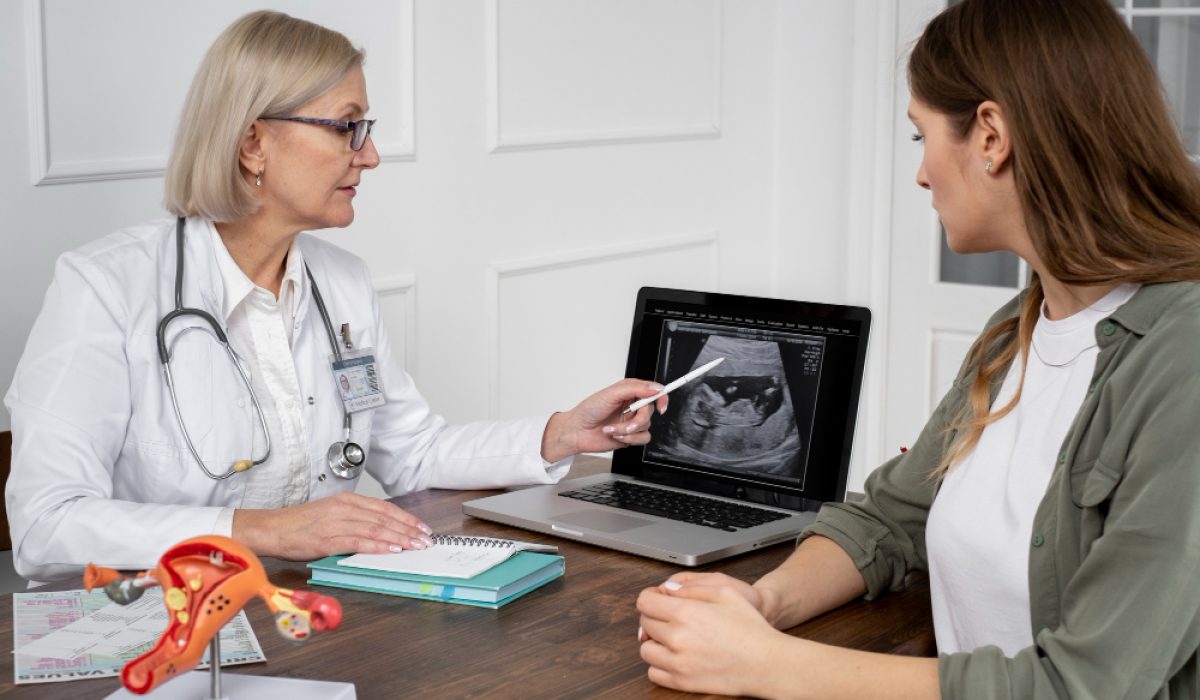
What is Cervical Cancer?
Cervical cancer is a type of cancer that starts in the cervix. The cervix is the lower part of the uterus that connects to the vagina. This cancer often develops slowly. In many cases, it begins with changes in the cells of the cervix. These changes can be found early with regular screening. Because cervical cancer can be serious, it is important to know the symptoms and seek help if needed.
Common Symptoms of Cervical Cancer
Many women do not notice cervical cancer symptoms in the early stages. However, as the disease grows, symptoms may appear. Knowing these signs can help you take action early. Common symptoms include:
Sometimes, these symptoms may be caused by other health problems. Still, it is important to pay attention to your body.
Early Warning Signs to Watch For
Early warning signs of cervical cancer can be easy to miss. Yet, catching them early can make a big difference. For example, you may notice:
Additionally, you may feel mild pain in your lower belly. If you notice any of these changes, it is wise to talk to your doctor.
When to Seek Medical Advice
It is always better to be safe when it comes to your health. Therefore, you should see a healthcare provider if you have:
Even if the symptoms seem mild, early advice can help. In fact, many cervical cancer symptoms can be treated more easily when found early. Do not wait for symptoms to get worse. Instead, reach out to a doctor or clinic as soon as possible.
Importance of Early Detection
Early detection of cervical cancer saves lives. When found early, treatment is more likely to work. According to the World Health Organization (WHO), regular screening can catch changes before they turn into cancer. As a result, women who get screened regularly have a much lower risk of dying from cervical cancer. Early action gives you the best chance for a healthy future.
How Doctors Diagnose Cervical Cancer
Doctors use several tests to find cervical cancer. First, they may do a Pap smear. This test checks for changes in cervical cells. Sometimes, they also use an HPV test to look for the virus that can cause cervical cancer. If results are not normal, your doctor may suggest a closer look with a colposcopy. In some cases, a small sample of tissue (biopsy) is taken for testing. These steps help doctors find out if cancer is present and how far it has spread.
Prevention and Regular Screening
There are ways to lower your risk of cervical cancer. For example, getting the HPV vaccine can protect you from the virus that causes most cases. Also, regular Pap smears and HPV tests help find changes early. The Centers for Disease Control and Prevention (CDC) recommends screening every three to five years for most women. In addition, practicing safe sex and not smoking can reduce your risk. Prevention and early checks are key to staying healthy.
Frequently Asked Questions
If you notice any cervical cancer symptoms or have concerns, do not wait. Consult your healthcare provider for advice and screening. Early action can protect your health.