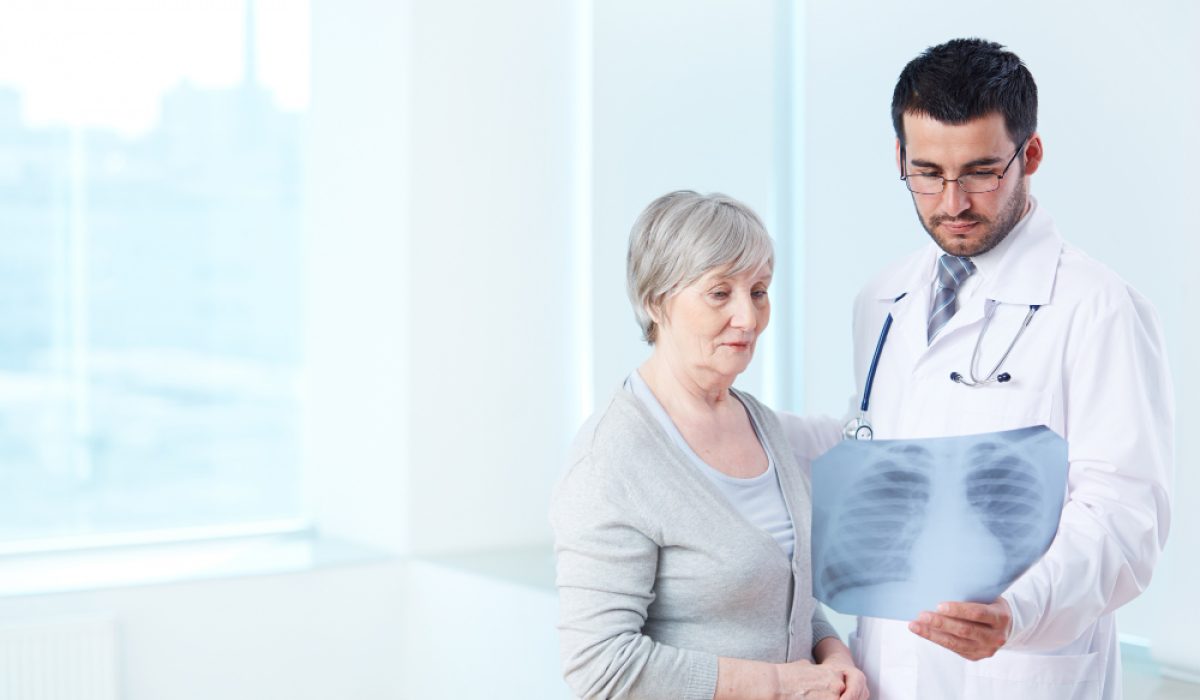
What is Lung Cancer?
Lung cancer is a disease where cells in the lungs grow out of control. These cells can form a lump, called a tumor. Over time, the tumor can spread to other parts of the body. In the United States, lung cancer is one of the most common cancers. Early detection is important for better outcomes. Many people do not notice symptoms until the disease is advanced. However, knowing the early signs of lung cancer can help you seek care sooner.
Symptoms of Lung Cancer
Often, lung cancer symptoms are mild at first. But as the disease grows, symptoms become more noticeable. It is important to watch for these signs:
However, these symptoms can also be caused by other health problems. If you notice any of these signs, talk to your doctor.
Causes and Risk Factors
Lung cancer develops when lung cells are damaged and begin to grow abnormally. Several factors can increase your risk. Knowing these can help you make healthy choices.
Even if you do not smoke, you can still get lung cancer. But, your risk is much higher if you use tobacco.
Diagnosis of Lung Cancer
Doctors use several tests to diagnose lung cancer. Early diagnosis can improve treatment results. If you have symptoms or risk factors, your doctor may suggest:
After diagnosis, doctors may do more tests to see if the cancer has spread. This helps them choose the best treatment plan.
Treatment Options
Lung cancer treatment options depend on the type and stage of cancer. Your overall health also matters. Common treatments include:
Sometimes, doctors use a mix of these treatments. Early-stage lung cancer may be treated with surgery alone. Advanced cases often need more than one approach. Your doctor will explain the best lung cancer treatment options for you.
Prevention Tips
While not all cases can be prevented, you can lower your risk. Here are some ways to help prevent lung cancer:
Even small changes can make a big difference. If you need help quitting smoking, ask your healthcare provider for support.
Living with Lung Cancer
After a lung cancer diagnosis, life can feel overwhelming. But, many people find ways to cope and stay positive. Support from family, friends, and healthcare teams is important. You may want to join a support group or talk to a counselor. Eating well, staying active, and managing stress can also help. Remember, every person’s journey is different. Your doctor can guide you on what to expect and how to manage side effects.
If you have questions or notice any symptoms, consult a healthcare specialist for personalized advice on lung cancer.