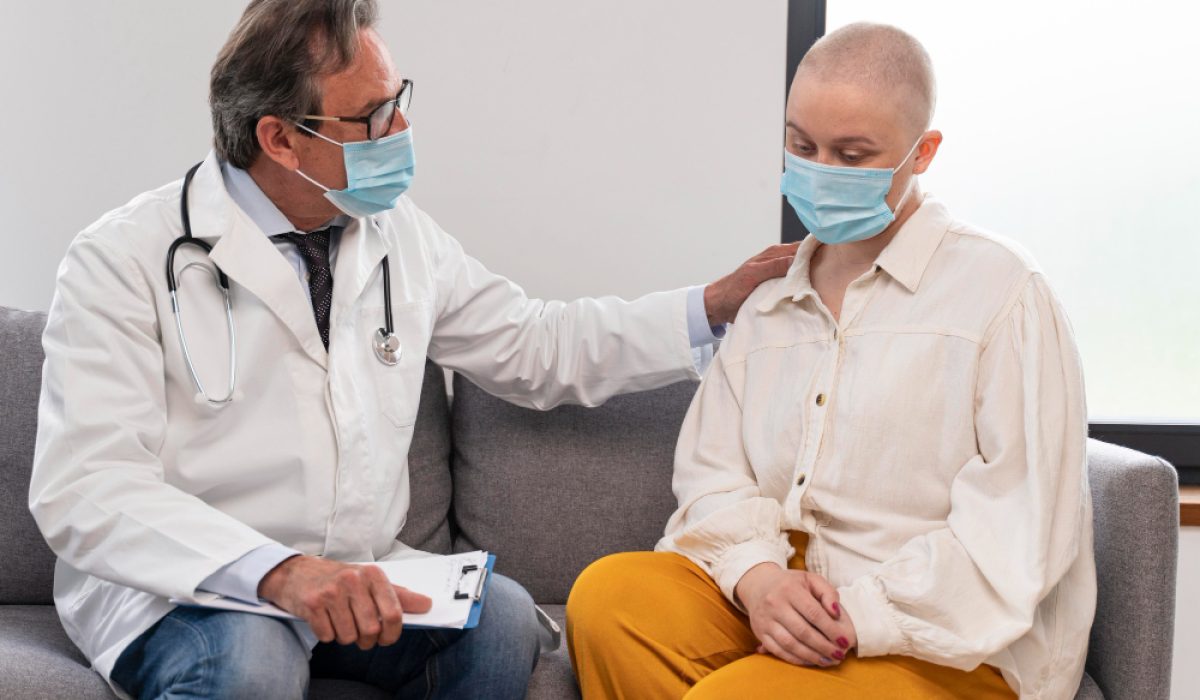
Many people face challenges when coping with the side effects of upper GI cancer treatment. These side effects can affect daily life. However, with the right support and tips, you can manage them better. This guide will help you understand what to expect and how to cope.
Overview of Upper GI Cancer and Its Treatments
Upper GI cancer includes cancers of the esophagus, stomach, and the first part of the small intestine. Doctors use several treatments for these cancers. For example, you may have surgery, chemotherapy, radiation, or targeted therapy. Each treatment can help fight cancer, but they may also cause side effects. Knowing what to expect can help you feel more prepared.
Common Side Effects of Upper GI Cancer Treatment
While treatments work to stop cancer, they can also affect healthy cells. As a result, you may notice some side effects. Common side effects include:
Not everyone will have all these symptoms. Still, it helps to know what might happen.
Practical Coping Strategies for Each Side Effect
Nausea and Vomiting
Fatigue
Loss of Appetite
Digestive Issues
Lifestyle and Nutrition Tips
Good nutrition and healthy habits can make a big difference. For instance, eating a balanced diet helps your body heal. Here are some simple tips:
Always talk to a dietitian if you need help with meal planning.
When to Seek Medical Help
Sometimes, side effects can become serious. Therefore, you should call your doctor if you notice:
Early medical care can prevent problems from getting worse. The CDC and WHO both recommend reporting new or severe symptoms right away.
Emotional and Mental Health Support
Dealing with cancer can be hard on your mind as well as your body. But you do not have to face it alone. For example, you can:
Support for GI cancer patients is important. It can help you feel less alone and more hopeful.
Prevention and Management Tips
While you may not avoid all side effects, you can lower your risk. Here are some GI cancer care tips:
Managing upper GI cancer treatment side effects is easier with good habits and open communication.
In summary, coping with the side effects of upper GI cancer treatment takes time and support. But with the right steps, you can feel better and stay strong. For personalized advice, always consult your healthcare specialist.