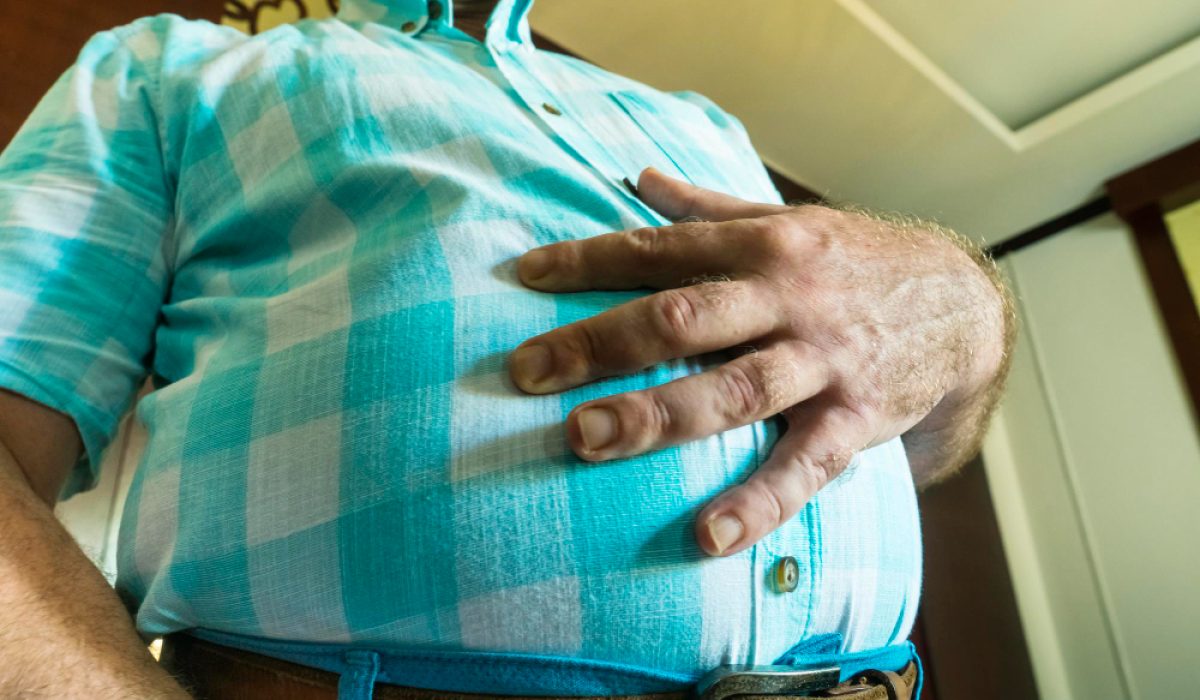
What is Obesity?
Obesity means having too much body fat. Doctors often use body mass index (BMI) to check this. If your BMI is 30 or higher, you are considered obese. Many people face this issue around the world. In fact, the World Health Organization (WHO) says that obesity rates have nearly tripled since 1975. Because of this, it is important to know how obesity affects your health.
Understanding the Link Between Obesity and Cancer Risk
Obesity and cancer risk are closely connected. Studies show that being overweight can raise your chance of getting certain cancers. For example, the Centers for Disease Control and Prevention (CDC) reports that about 40% of cancer cases in the United States are linked to overweight and obesity. This means that many cancers could be prevented by keeping a healthy weight. But how does obesity cause cancer? Let’s explore this further.
Common Cancers Associated with Obesity
Obesity is linked to several types of cancer. Some of the most common include:
As you can see, obesity and cancer statistics show a strong link between extra weight and these cancers. Knowing this can help you take steps to lower your risk.
How Obesity Increases Cancer Risk
Obesity affects your body in many ways. Because of these changes, your cancer risk can go up. Here are some reasons why:
For these reasons, experts agree that reducing cancer risk starts with a healthy weight.
Prevention and Lifestyle Guidance
Thankfully, you can take steps to lower your risk. Here are some cancer prevention tips that work for most people:
In addition, making small changes each day can add up over time. Even losing a small amount of weight can help reduce your cancer risk.
When to Seek Medical Advice
It is important to talk to a healthcare provider if you:
Early advice can help you make healthy choices. Your doctor can guide you on how to reduce your cancer risk and support you in your journey.
In summary, obesity and cancer risk are linked in many ways. By making healthy choices, you can lower your risk. Consult a healthcare specialist for personalized advice on reducing your cancer risk.