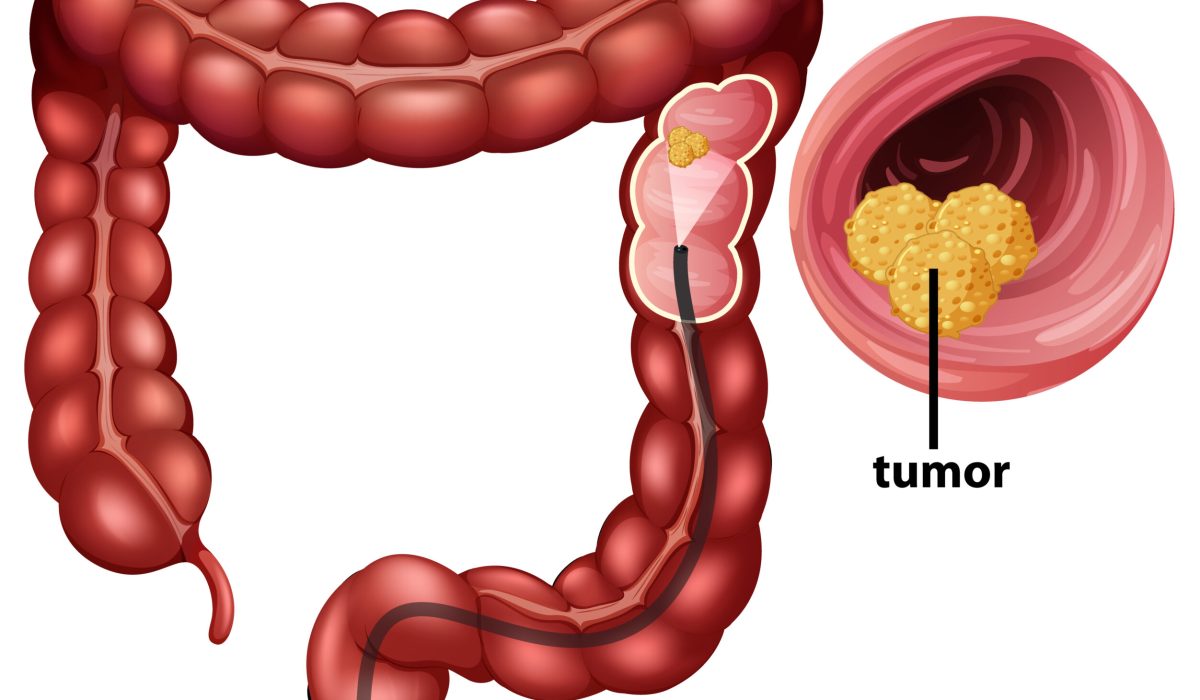
Detecting colorectal cancer symptoms promptly is crucial for effective treatment. Early stages often go unnoticed, but timely intervention can save lives. Adults under 45 are increasingly being diagnosed, debunking the myth that only older people need to worry. Common symptoms of colorectal cancer can be mistaken for non-serious issues, leading to delays in seeking help. Let’s explore these symptoms and understand when it’s crucial to consult a doctor.
Understanding Colorectal Cancer and Early Detection
Colorectal cancer affects the colon or rectum, which are parts of your digestive system. It starts with cells growing out of control. Over time, these cells can form growths known as polyps. If untreated, some polyps can turn cancerous and affect the body’s normal functions. Often, there are no obvious early signs of colon cancer. This absence highlights the importance of regular screenings. Catching it early can significantly improve survival rates.
Early signs of colon cancer might not be visible. Regular screenings like colonoscopies can detect polyps before they become serious. This proactive approach is essential because treating cancer early improves outcomes significantly. Being informed about stage 1 colon cancer symptoms and other early indicators is a step towards better health.
Recognizing the Key Signs and Symptoms
Changes in bowel habits are key signs of colorectal cancer. If your stools change in consistency or shape for a long time, it’s worth noting. Watch for any blood in the stool. Seeing red or darkened stools can be alarming, and it’s something that shouldn’t be ignored. These could be rectal cancer symptoms that require urgent attention.
Other notable signs of colon issues include persistent stomach pain or cramps. This kind of discomfort can be a signal that something isn’t right. If you’re losing weight without trying, this too can be a serious symptom.
To summarize, look for:
- Long-lasting changes in bowel habits.
- Blood noticeable in stool — look for red or darker shades.
- Persistent abdominal pain or cramps.
- Unexplained weight loss.
Recognizing rectal cancer symptoms is especially crucial for females, as they might be mistaken for other conditions. Ignoring these changes can delay treatment and worsen the situation.
Identifying Symptoms from Common Digestive Issues
Some colorectal cancer symptoms overlap with common digestive problems, like Irritable Bowel Syndrome (IBS) or hemorrhoids. So how do you tell the difference? Persistent changes in bowel movements, even when common remedies don’t help, are red flags.
Symptoms that worsen, or disturb your daily routine, need attention. If things don’t improve, it’s better to be safe than sorry. Debunking myths about these symptoms is vital. Misinterpretations can keep you from taking the necessary steps towards health.
Consulting Your Doctor: Critical Signs That Require Urgent Attention
Certain signs of colorectal cancer mean you should see a doctor as soon as possible. If you notice any of these, don’t delay:
- Continuing changes in bowel habits, even if they seem minor.
- Any form of rectal bleeding should be checked.
It’s still crucial for those with a family history of colorectal polyp symptoms or colorectal cancer to monitor any health changes. Risk factors mean being even more attentive to symptoms, as the risk of developing cancer is higher.
Regular check-ups are advisable, even without symptoms. Rectal cancer symptoms in females might be mistaken for menstrual issues, adding complexity to diagnosis. Being proactive about symptoms can make a huge difference.
Steps Towards Prevention and Screening
Regular screenings are vital for those over 45, even without symptoms. If there’s a history of colorectal cancer symptoms or these diseases in your family, your doctor may recommend starting earlier.
Lifestyle choices also influence your health. A balanced diet full of fruits and vegetables supports bowel health. Regular exercise can help, too! Here are some tips:
- Eat a variety of nutritious foods, focusing on high-fiber choices.
- Limit red and processed meats which can increase risk.
- Include physical activity in your daily routine.
Understanding the risk factors is equally important. Diet, sedentary lifestyle, and genetics play roles in rectal cancer symptoms. Knowledge empowers you to take charge of your health.
In conclusion, being aware of these colorectal polyp symptoms, maintaining regular screenings, and adopting a healthy lifestyle are crucial steps. Monitoring stage 1 colon cancer symptoms aids in early detection. Stay informed, make smart choices, and if you identify any concerning signs, don’t hesitate to reach out to a healthcare professional.