Introduction
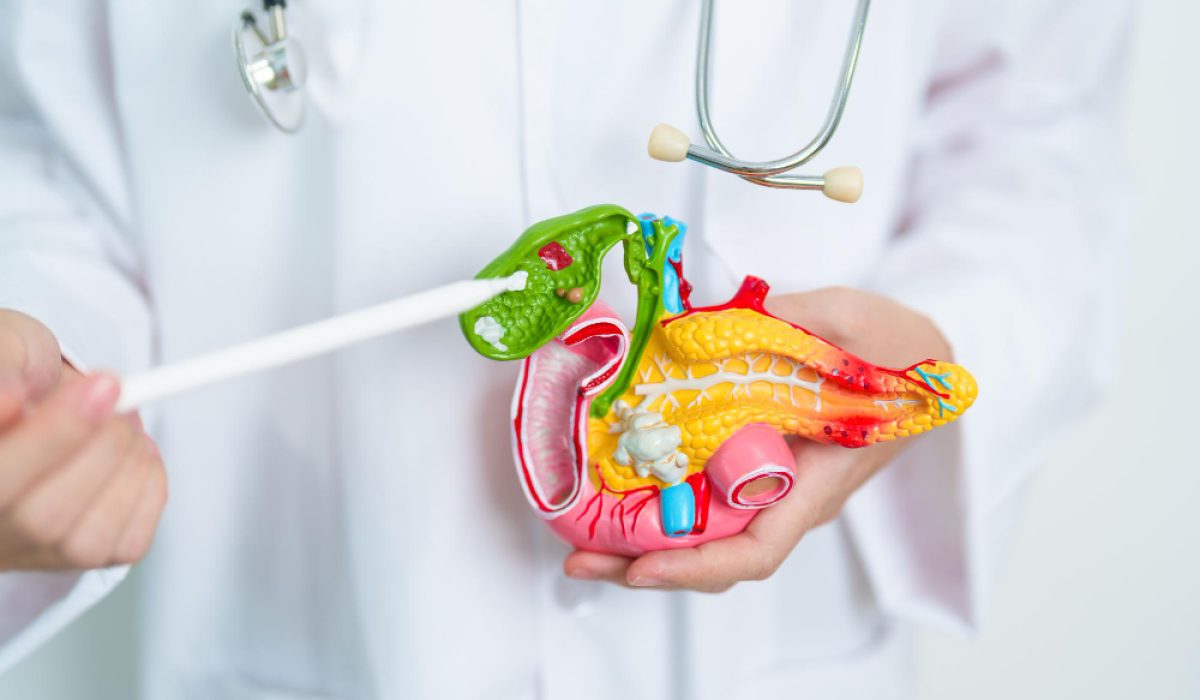
Bile duct cancer overview is important for everyone to understand. Bile duct cancer, also called cholangiocarcinoma, starts in the tubes that carry bile from the liver to the small intestine. Although this cancer is rare, it can be serious. Early detection can help improve treatment outcomes. Knowing the basics can help you spot warning signs and seek help sooner.
Symptoms of Bile Duct Cancer
Often, bile duct cancer does not cause symptoms in the early stages. However, as the cancer grows, you may notice changes. For example, some common symptoms of bile duct cancer include:
Because these symptoms can be caused by other conditions, it is important to see a doctor if they appear.
Causes and Risk Factors
Doctors do not always know what causes bile duct cancer. Still, some factors can raise your risk. For instance, you may be at higher risk if you:
Additionally, living in areas where liver fluke infections are common can increase risk. However, many people with these risk factors never develop bile duct cancer.
Bile Duct Cancer Diagnosis
Doctors use several tests to diagnose bile duct cancer. First, your doctor will ask about your symptoms and medical history. Next, you may need blood tests to check liver function. Imaging tests, such as ultrasound, CT scans, or MRI, can help find tumors. Sometimes, doctors use a special test called ERCP to look at the bile ducts more closely. A biopsy, which means taking a small tissue sample, can confirm the diagnosis. Early diagnosis can help improve treatment options and outcomes.
Treatment Options for Bile Duct Cancer
Treatment for bile duct cancer depends on the stage and location of the cancer. Your doctor may suggest one or more of the following:
Because every case is different, your doctor will help you choose the best treatment plan. New treatments are being studied in clinical trials as well.
Prevention and Lifestyle Guidance
While you cannot prevent all cases of bile duct cancer, you can lower your risk. For example, you can:
Additionally, following your doctor’s advice can help you stay healthy.
When to See a Doctor
If you notice symptoms like jaundice, unexplained weight loss, or ongoing abdominal pain, see a doctor right away. Early diagnosis can make a big difference. Even if your symptoms seem mild, it is better to get checked. Your doctor can guide you on the next steps and arrange tests if needed.
Conclusion
Bile duct cancer overview shows that early detection and treatment are key. If you have symptoms or risk factors, do not wait. Consult a healthcare specialist for personalized advice on bile duct cancer.