Introduction
Oral cancer is a serious disease that affects the mouth, lips, tongue, or throat. It can change how you eat, speak, or even breathe. According to the World Health Organization, oral cancer is a major health concern worldwide. In many cases, it is linked to habits like tobacco use and chewing betel nut. Because early detection can save lives, it is important to know the risks and warning signs.
Symptoms of Oral Cancer
Oral cancer symptoms can be easy to miss at first. However, knowing what to look for can help you catch it early. Watch for these signs:
If you notice any of these symptoms, it is important to see a doctor soon. Early treatment can make a big difference.
How Tobacco Increases Oral Cancer Risk
Tobacco use is one of the biggest oral cancer risks. This includes smoking cigarettes, cigars, or pipes, as well as chewing tobacco. When you use tobacco, harmful chemicals enter your mouth and damage healthy cells. Over time, this damage can lead to cancer. In fact, the Centers for Disease Control and Prevention (CDC) states that people who use tobacco are many times more likely to develop oral cancer than those who do not. Even secondhand smoke can increase your risk. Therefore, quitting tobacco is one of the best ways to lower your risk.
Betel Nut and Its Link to Oral Cancer
Betel nut, also called areca nut, is often chewed alone or mixed with tobacco and other ingredients. It is common in some cultures, but it is not safe. Studies show that chewing betel nut can cause mouth irritation and lead to oral cancer. The World Health Organization has classified betel nut as a cancer-causing substance. Even if you do not use tobacco, betel nut alone can still increase your risk. For this reason, avoiding betel nut is important for your health.
Diagnosis and Early Detection
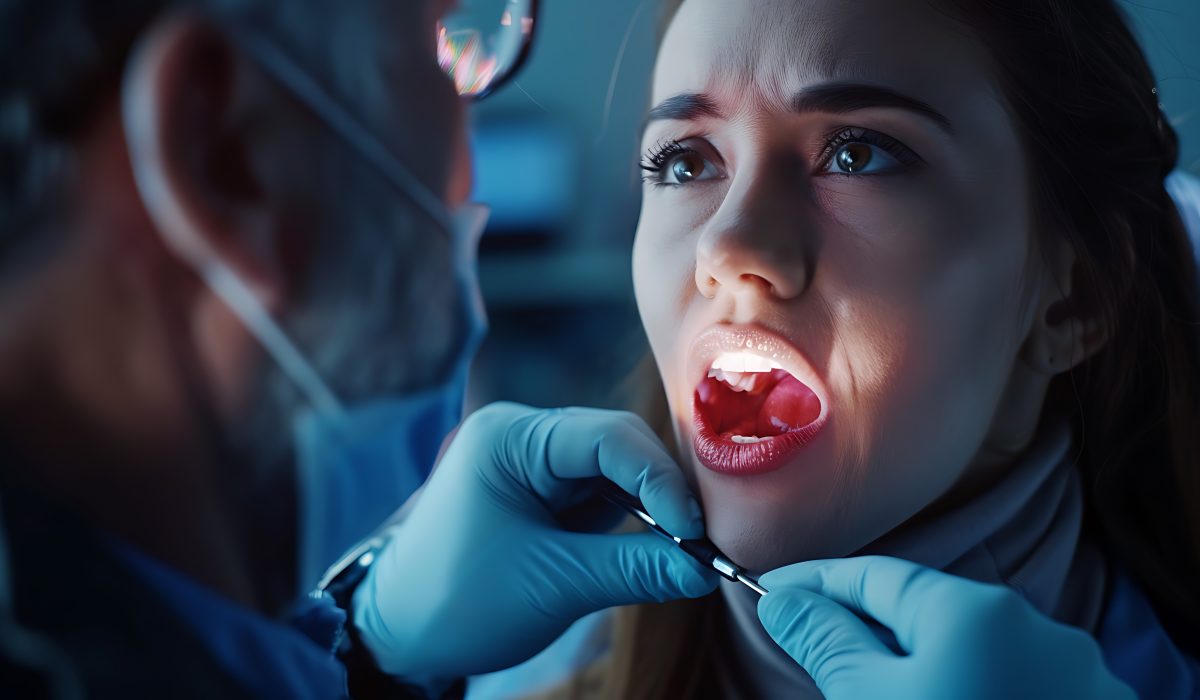
Early detection of oral cancer can save lives. Doctors use several methods to find oral cancer, such as:
Regular dental check-ups can also help find problems early. If you notice any changes in your mouth, do not wait. See a healthcare provider as soon as possible.
Prevention and Lifestyle Guidance
There are many ways to lower your oral cancer risk. Here are some helpful tips:
By making these changes, you can protect your mouth and overall health. In addition, teaching your family about these risks can help keep them safe too.
When to See a Doctor
If you notice any symptoms of oral cancer, do not ignore them. For example, if a sore or lump does not heal in two weeks, it is time to get checked. Also, if you have a history of tobacco or betel nut use, regular screenings are important. Early action can lead to better outcomes.
To sum up, oral cancer is a serious but preventable disease. Consult a healthcare specialist if you notice any symptoms or need personalized advice.