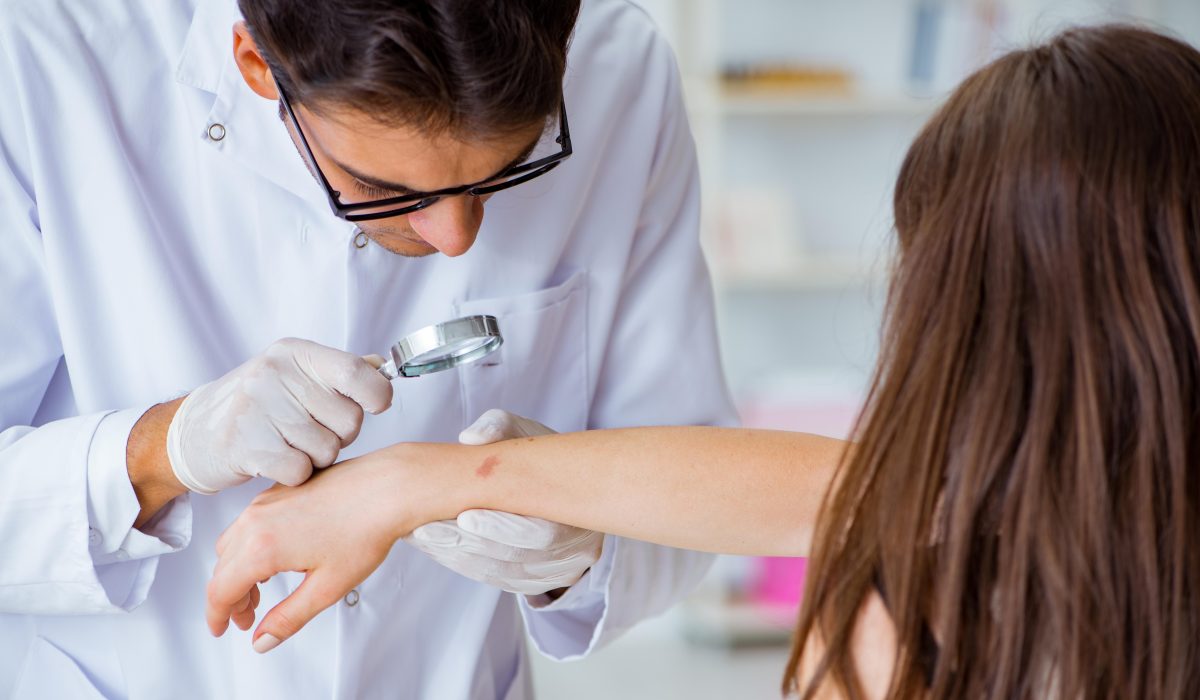
What is Skin Cancer?
Skin cancer is a disease where skin cells grow out of control. It is one of the most common cancers worldwide. There are different types, but melanoma is the most serious. Early detection can make a big difference. For this reason, knowing what to look for is important. According to the CDC, most skin cancers are caused by too much sun exposure. However, anyone can get skin cancer, even if they have darker skin.
Why Checking Moles Matters
Checking moles for changes is a key step in early detection of skin cancer. While most moles are harmless, some can turn cancerous. Because of this, regular self-checks help you spot problems early. Early treatment often leads to better outcomes. In addition, noticing changes can help you protect your skin health. The World Health Organization also recommends regular skin checks for everyone.
How to Check Moles for Changes
Checking your moles does not have to be hard. You can do it at home once a month. First, stand in good light and use a full-length mirror. Next, look at all areas of your skin, even places you cannot see easily. You may want to ask someone to help with your back or scalp. For best results, follow these steps:
Take note of any new moles or spots. Also, watch for changes in old moles. If you see something different, write it down or take a photo. This way, you can track changes over time.
Warning Signs: What to Look For
Not all changes mean cancer, but some signs need attention. The ABCDE rule can help you remember what to check:
Besides these, look for moles that itch, bleed, or do not heal. If you notice any of these warning signs, it is important to act quickly.
When to See a Doctor
Sometimes, it is hard to tell if a mole is dangerous. However, you should see a dermatologist if:
Even if you are unsure, it is better to get checked. Early detection can save lives. Your doctor may do a skin exam or take a small sample for testing. This helps confirm if the mole is safe or needs treatment.
Prevention Tips for Skin Cancer
While you cannot prevent all skin cancers, you can lower your risk. Here are some simple tips:
For families, teaching children about sun safety is also important. Healthy habits now can protect your skin for life.
In summary, checking moles for changes is a simple way to catch skin cancer early. If you notice anything unusual, consult a dermatologist for personalized advice.