Introduction
HPV, or human papillomavirus, is a common virus that can affect anyone. However, it is especially important for women and parents to know about HPV vaccines. These vaccines help prevent certain cancers and diseases. Yet, many myths and misunderstandings still exist. In this blog, we will explain what HPV is, how vaccines work, and clear up common myths. We will also share tips for prevention and guidance for parents. Understanding HPV vaccines can help you make the best choices for your family’s health.
What is HPV?
HPV stands for human papillomavirus. It is a group of more than 100 related viruses. Some types can cause warts, while others can lead to cancer. For example, certain HPV types cause cervical cancer in women. According to the CDC, HPV is the most common sexually transmitted infection. Anyone who is sexually active can get HPV. However, most people do not know they have it because it often has no symptoms. Risk factors include having multiple partners, early sexual activity, and not using protection. But even with one partner, you can still get HPV.
How HPV Affects Women and Families
HPV can cause health problems for both women and men. However, women face a higher risk of cervical cancer from certain HPV types. In addition, HPV can cause cancers of the vagina, vulva, anus, and throat. Families may also worry about the spread of HPV among loved ones. For parents, it is important to know that HPV can affect teens and young adults. Early vaccination can help protect your children from future health issues. Therefore, understanding HPV’s impact helps families make informed decisions.
HPV Vaccines: How They Work and Who Should Get Them
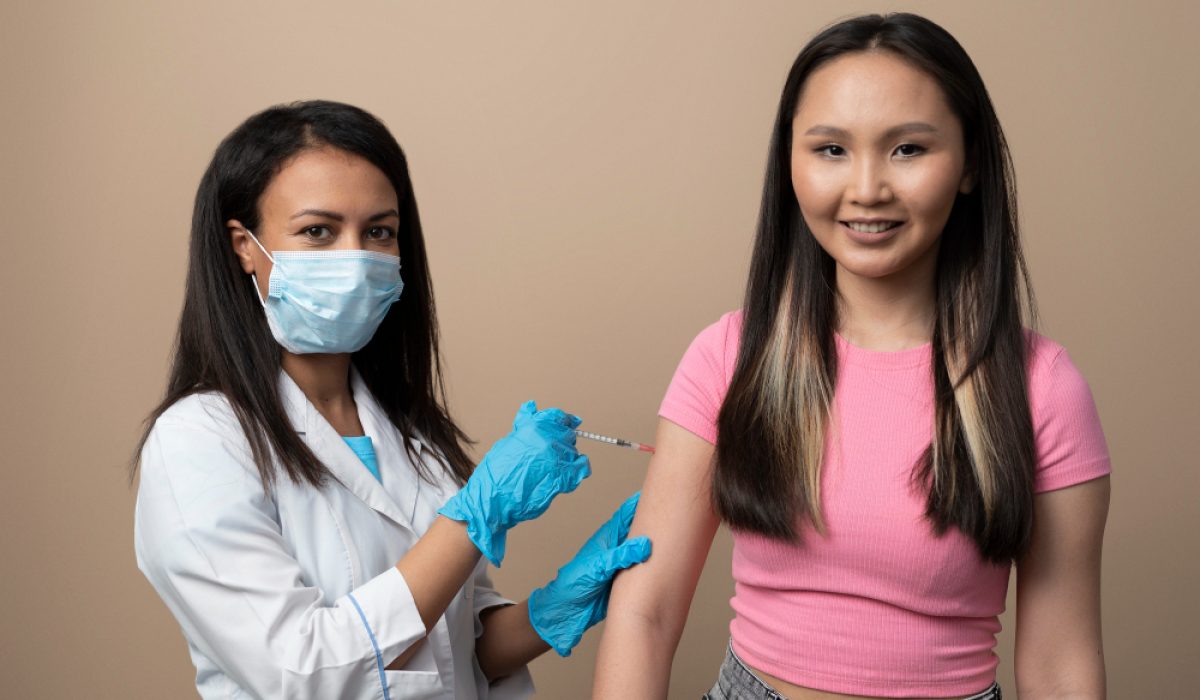
HPV vaccines protect against the most harmful types of the virus. These vaccines teach the body to fight HPV before it causes problems. The CDC recommends HPV vaccination for boys and girls starting at age 11 or 12. However, vaccination can begin as early as age 9. Teens and young adults up to age 26 should also get vaccinated if they missed earlier doses. Some adults aged 27 to 45 may benefit, but they should talk to a doctor first. The vaccine is given in two or three shots over several months. Getting the full series is important for best protection.
Common Myths and Facts About HPV Vaccines
Safety and Effectiveness of HPV Vaccines
HPV vaccines are among the safest vaccines available. The World Health Organization (WHO) and CDC both confirm their safety. Most side effects are mild, such as soreness at the injection site or a low fever. Serious side effects are very rare. In fact, studies show that HPV vaccines prevent up to 90% of cervical cancers caused by HPV. They also lower the risk of other HPV-related cancers. Ongoing research continues to support the safety and effectiveness of these vaccines. Therefore, choosing vaccination is a smart way to protect yourself and your family.
Guidance for Parents: Protecting Your Children
As a parent, you want to keep your children safe. HPV vaccination for teens is a key step. The best time for vaccination is before your child becomes sexually active. This gives the body time to build strong protection. Talk to your child’s doctor about the vaccine schedule. Encourage open conversations about health and prevention. Remember, HPV vaccines are a safe and proven way to prevent certain cancers. By acting early, you help your child avoid future health problems.
Prevention and Lifestyle Tips
Besides vaccination, there are other ways to lower HPV risk:
However, remember that vaccination is the most effective way to prevent HPV-related cancers.
Conclusion
HPV vaccines are safe, effective, and important for everyone. They protect against serious diseases and cancers. Do not let myths stop you from making the best choice for your family. For personalized advice, consult your healthcare specialist about HPV vaccines today.