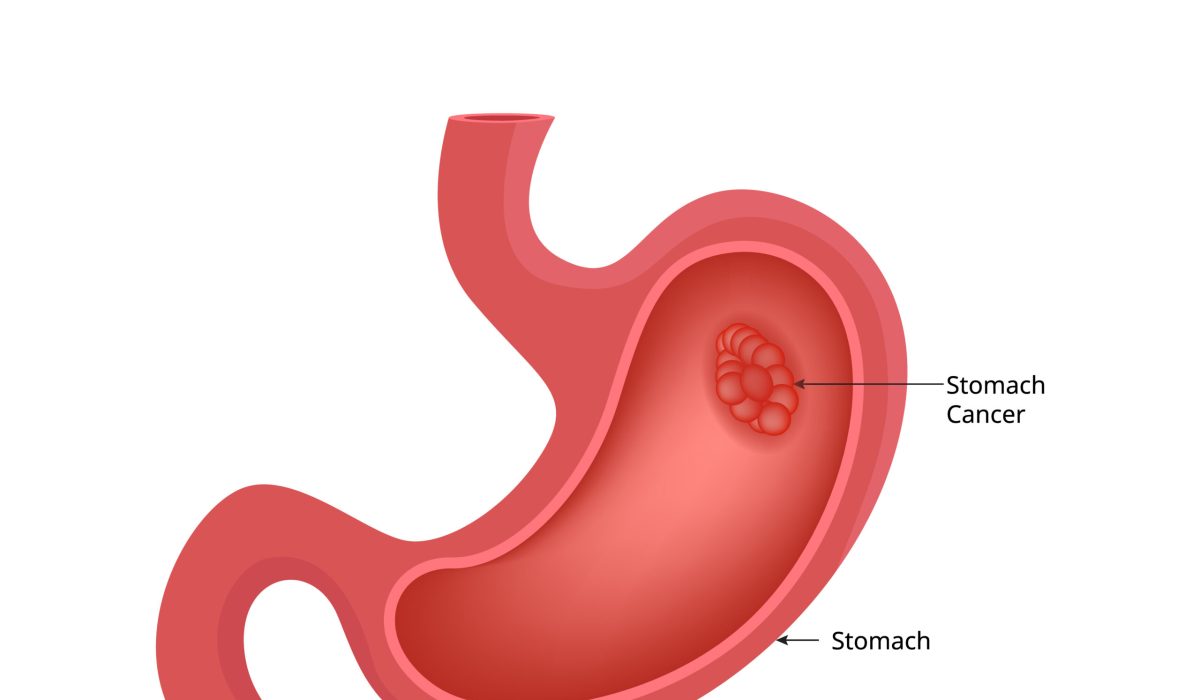
Introduction to Stomach Cancer
Stomach cancer is a serious disease that starts in the lining of the stomach. Although it is not as common as some other cancers, it can be dangerous if not found early. Because stomach cancer symptoms can be mild at first, many people do not notice them right away. However, knowing what to look for can help you spot problems sooner. According to the World Health Organization (WHO), early detection improves treatment outcomes.
Detailed Symptoms of Stomach Cancer
It is important to know the early signs of stomach cancer. While some symptoms may seem minor, they can signal a problem. Let’s look at both early and advanced symptoms.
Early Signs of Stomach Cancer
Sometimes, these early symptoms are easy to ignore. However, if they last for more than a few weeks, you should pay attention.
Advanced Warning Signs of Stomach Cancer
As the cancer grows, these symptoms may become more noticeable. For example, you might feel pain more often or lose weight without trying. If you notice these warning signs of stomach cancer, it is important to act quickly.
Importance of Early Detection
Early detection of stomach cancer symptoms can save lives. When found early, stomach cancer is easier to treat. In fact, the Centers for Disease Control and Prevention (CDC) states that early treatment leads to better results. Because early signs can be mild, many people wait too long before seeing a doctor. Therefore, knowing how to identify stomach cancer symptoms is key.
When to See a Doctor
If you have any of the symptoms listed above, do not ignore them. Especially if symptoms last for more than two weeks, it is time to talk to a healthcare provider. Even if you think your symptoms are minor, it is better to be safe. For example, ongoing indigestion or sudden weight loss should always be checked. Your doctor can run tests to find the cause and guide you on next steps.
Prevention Tips and Lifestyle Guidance
While you cannot always prevent stomach cancer, some healthy habits may lower your risk. Here are some tips:
Additionally, regular check-ups can help catch problems early. If you have a family history of stomach cancer, tell your doctor. They may suggest extra screening or tests.
Conclusion
In summary, recognizing stomach cancer symptoms early can make a big difference. If you notice any symptoms, consult a healthcare specialist for personalized advice. Early action can help protect your health and well-being.