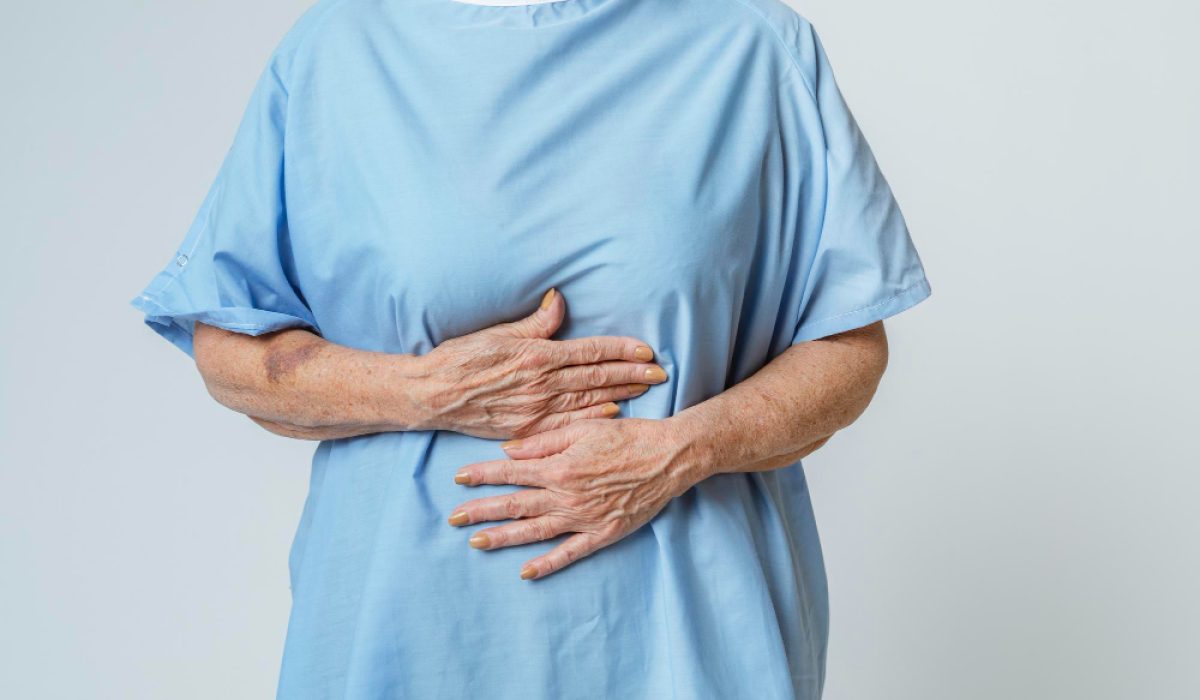
What is Stomach Cancer?
Stomach cancer, also called gastric cancer, starts in the lining of the stomach. In the United States, it is less common than some other cancers. However, it can be serious if not found early. Early signs may be mild or easy to miss. For this reason, many people are diagnosed when the cancer is more advanced.
Understanding Chemotherapy for Stomach Cancer
Chemotherapy for stomach cancer is a common treatment option. Doctors use it to shrink tumors, kill cancer cells, or stop them from spreading. Sometimes, chemotherapy is given before surgery to make the tumor smaller. Other times, it is used after surgery to lower the risk of cancer coming back. In some cases, it helps control symptoms if the cancer cannot be removed.
How Chemotherapy Works
Chemotherapy uses strong medicines to target and destroy cancer cells. These medicines travel through the blood, so they can reach cancer cells almost anywhere in the body. Because of this, chemotherapy is helpful for stomach cancer that has spread. Doctors may use one medicine or a mix of several. The choice depends on your health and the stage of cancer.
What to Expect During Treatment
Before starting chemotherapy for stomach cancer, your doctor will explain the plan. You may have tests to check your health. Treatment is usually given in cycles. Each cycle has a treatment period followed by a rest period. This helps your body recover.
After each cycle, your doctor will check your progress. They may adjust your treatment if needed. Throughout the process, you will have support from your care team.
Common Side Effects and Management
Chemotherapy for stomach cancer can cause side effects. Not everyone has the same side effects, and some may be mild. Still, it helps to know what to expect during chemotherapy.
Doctors have ways to help manage these side effects. For example, they may give you medicines to prevent nausea. Eating small, frequent meals can also help. If you feel very tired, rest when you need to. Always tell your care team about any side effects you notice.
Tips for Coping with Chemotherapy
Going through chemotherapy for stomach cancer can be tough. However, there are steps you can take to feel better and stay strong.
Remember, you are not alone. Many people find comfort in talking with others who have had similar experiences.
When to Contact Your Doctor
Sometimes, side effects can become serious. For this reason, you should contact your doctor right away if you have:
Early action can help prevent problems. Never hesitate to reach out to your care team with questions or concerns.
Prevention and Lifestyle Guidance
While chemotherapy treats stomach cancer, healthy habits can support your recovery. For example, eating a balanced diet helps your body heal. Avoiding tobacco and limiting alcohol can lower your risk of other health problems. Staying active, as much as you can, may boost your mood and energy. Regular check-ups with your doctor are also important for long-term health.
If you have questions about chemotherapy for stomach cancer or want to learn more about stomach cancer treatment options, consult an oncology specialist for personalized advice on stomach cancer treatment.