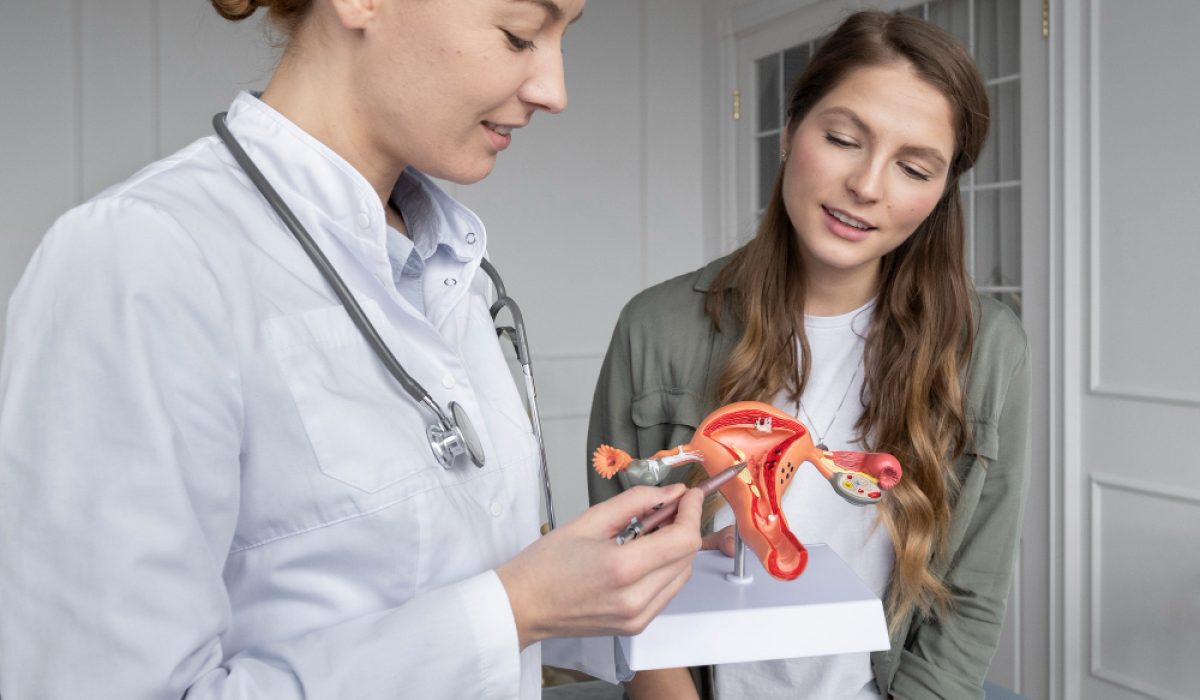
What Is Fallopian Tube Cancer?
Fallopian Tube Cancer is a rare type of cancer that starts in the fallopian tubes. These tubes connect the ovaries to the uterus. Although it is uncommon, it is important to know about this disease. Early detection can make a big difference in treatment success. Most cases are found in women between 50 and 60 years old. However, it can happen at any age. Knowing the signs of fallopian tube cancer helps you stay alert and seek help early.
Common Symptoms
Many symptoms of Fallopian Tube Cancer are similar to other health issues. Still, it is important to pay attention to changes in your body. Early signs can be mild or easy to miss. But, knowing what to look for can help you act quickly. Common symptoms include:
If you notice any of these signs of fallopian tube cancer, talk to your doctor. Early action can improve your chances of successful treatment.
Causes and Risk Factors
Doctors do not know the exact cause of Fallopian Tube Cancer. However, some factors may increase your risk. Understanding these can help you stay aware. Main risk factors include:
Even if you have risk factors, it does not mean you will get the disease. But, knowing your risks can help you and your doctor make informed choices.
How Is Fallopian Tube Cancer Diagnosed?
Many people ask, “How is fallopian tube cancer diagnosed?” Doctors use several steps to find out if you have this cancer. First, they will ask about your symptoms and medical history. Next, they may do a physical exam. If needed, your doctor may order tests such as:
Because symptoms can be vague, these tests help doctors make a clear diagnosis. Early diagnosis leads to better treatment outcomes.
Treatment Options
Treatment options for fallopian tube cancer depend on the stage and your overall health. Your doctor will discuss the best plan for you. Common treatments include:
Sometimes, you may need more than one type of treatment. Your care team will explain each step. They will also help you manage side effects and support your recovery.
Prevention and Lifestyle Tips
There is no sure way to prevent fallopian tube cancer. Still, you can take steps to lower your risk. Healthy habits and regular check-ups make a difference. Here are some tips:
While these steps cannot guarantee prevention, they support your overall health. Early detection is key, so stay aware of any changes in your body.
When to See a Doctor
If you notice unusual bleeding, pain, or other symptoms that do not go away, see your doctor. Even if your symptoms seem mild, it is better to check early. Quick action can lead to early diagnosis and better results. Do not wait if you have a family history of cancer or other risk factors. Your doctor can guide you on the next steps and answer your questions.
Consult a healthcare specialist for personalized advice on Fallopian Tube Cancer.