Introduction
Robotic surgery for cervical cancer is changing how doctors treat this disease. This advanced method uses special robotic tools to help surgeons remove cancer with great care. As a result, many women now have more options for treatment. Robotic surgery is becoming more common in hospitals around the world. It offers hope for better results and faster recovery. In this blog, we will explain what robotic surgery is, how it works for cervical cancer, and what you should know before choosing this treatment.
What Is Robotic Surgery?
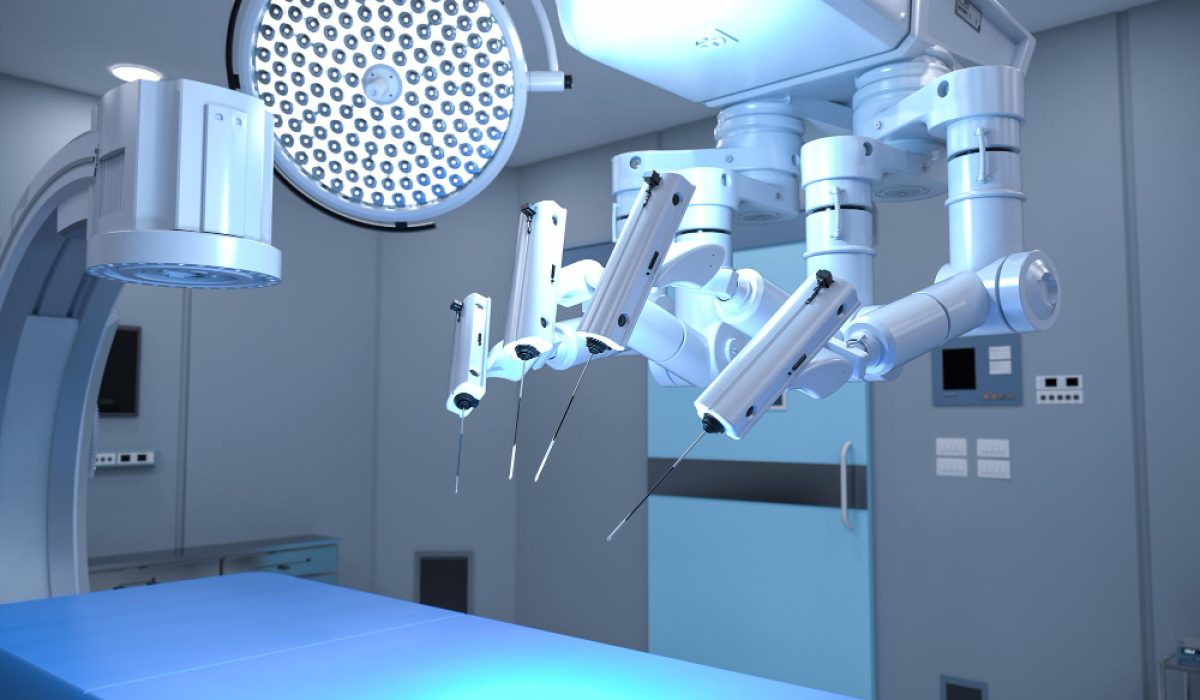
Robotic surgery is a type of minimally invasive surgery. Instead of making large cuts, doctors use small tools and a camera. The surgeon sits at a console and controls robotic arms. These arms move with great precision. Because of this, doctors can reach hard-to-access areas in the body. Robotic surgery is used for many conditions, including cancer. For cervical cancer, it allows surgeons to remove tumors with less damage to healthy tissue. According to the World Health Organization (WHO), new surgical methods like robotics are improving cancer care worldwide.
How Robotic Surgery Works in Cervical Cancer Treatment
During robotic surgery for cervical cancer, the patient is given anesthesia. Next, the surgeon makes a few small cuts in the lower belly. Through these cuts, thin robotic arms and a camera are inserted. The camera gives a clear, 3D view of the inside of the body. The surgeon sits at a console and moves the robotic arms. These arms can bend and turn in ways a human hand cannot. Because of this, the surgeon can remove cancer tissue with great care. Often, robotic surgery is used for procedures like hysterectomy or lymph node removal in cervical cancer patients.
Benefits of Robotic Surgery for Cervical Cancer
Robotic surgery offers many advantages over traditional surgery. Some of the main benefits include:
Because of these benefits, many patients prefer robotic surgery. However, it is important to talk with your doctor about the best option for you.
Risks and Considerations
Although robotic surgery is safe for most people, there are some risks. Like any surgery, there can be bleeding, infection, or injury to nearby organs. Sometimes, the robotic system may not work as planned. In rare cases, the surgeon may need to switch to open surgery. Also, not all hospitals have robotic systems. Some patients may not be good candidates for this type of surgery. Therefore, it is important to discuss your health history and options with your doctor. The Centers for Disease Control and Prevention (CDC) recommends choosing a hospital with experienced surgeons for the best results.
The Future of Cervical Cancer Treatment with Robotics
Robotic surgery is shaping the future of cervical cancer care. As technology improves, surgeries are becoming even safer and more precise. Newer robots are smaller and easier to use. Because of this, more hospitals are offering robotic surgery. Research shows that patients often recover faster and have fewer problems after surgery. In the future, doctors may use robots for even more complex cancer treatments. According to recent studies in medical journals, robotic surgery may soon become the standard for many cancer operations.
Frequently Asked Questions
Conclusion and Next Steps
Robotic surgery for cervical cancer is a promising option for many women. It offers less pain, quicker recovery, and better results in many cases. However, every patient is different. Therefore, you should consult a specialist for personalized guidance on cervical cancer treatment options. Your doctor can help you decide if robotic surgery is right for you.