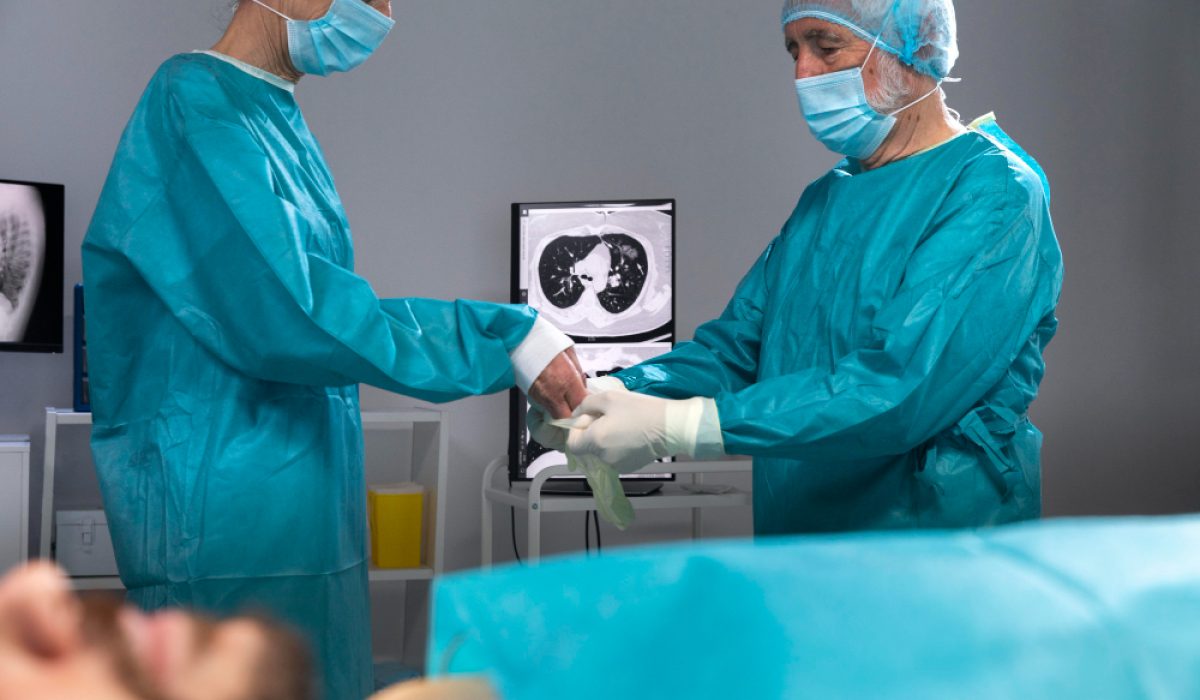
Cancer can affect many parts of the body. Two common types are oral cancer and stomach cancer. Oral cancer starts in the mouth, while stomach cancer begins in the stomach. Both can be serious, but early treatment helps. The role of surgery in treating oral and stomach cancer is very important. Surgery can remove cancer and help stop it from spreading. Many people ask about surgical options for oral cancer and stomach cancer surgery. This blog explains how cancer treatment surgery works and what to expect.
What Are Oral and Stomach Cancers?
Oral cancer is cancer that starts in the mouth. It can affect the lips, tongue, cheeks, or throat. Stomach cancer begins in the lining of the stomach. Both types can cause pain, swelling, or trouble eating. According to the World Health Organization (WHO), these cancers are common worldwide. Early detection makes treatment easier and more successful.
Why Is Surgery Important in Cancer Treatment?
Surgery is a key part of cancer treatment. It can remove tumors and nearby tissue. Often, surgery is the first step in treating oral or stomach cancer. Sometimes, doctors use surgery along with other treatments like chemotherapy or radiation. For many patients, surgery offers the best chance to remove all cancer cells. In some cases, it can also help relieve symptoms and improve quality of life.
Types of Surgery for Oral Cancer
There are several surgical options for oral cancer. The type of surgery depends on the size and location of the tumor. Common types include:
Doctors choose the best surgical option based on each patient’s needs.
Types of Surgery for Stomach Cancer
Stomach cancer surgery also has different options. The choice depends on how much of the stomach is affected. Common types include:
Doctors may combine these surgeries with other treatments for the best results.
How to Prepare for Cancer Surgery
Proper preparation helps surgery go smoothly. Here are some steps to follow:
Preparation can reduce stress and help you feel ready for surgery.
Recovery and Aftercare Following Surgery
After surgery, recovery is important. Each person heals at their own pace. However, most people need time to rest and regain strength. Here are some tips for recovery:
Good aftercare can speed up healing and lower the risk of problems.
Risks and Benefits of Cancer Surgery
Like all treatments, cancer surgery has risks and benefits. It is important to know both before deciding. Benefits include:
However, there are also risks:
Your doctor will discuss these risks and help you make the best choice.
Frequently Asked Questions About Cancer Surgery
Conclusion
Surgery plays a major role in treating oral and stomach cancer. It can remove tumors and improve quality of life. However, each person’s needs are different. Consult a cancer specialist to discuss the best surgical options for your condition.