Introduction to Sarcoma Surgery
Sarcoma surgery is a common treatment for sarcoma, a rare type of cancer that starts in bones or soft tissues. Doctors often use surgery to remove the tumor and some healthy tissue around it. Because sarcoma surgery can feel overwhelming, it helps to know what to expect. In this guide, you will learn about sarcoma surgery recovery, risks, preparation, and aftercare. This information is based on trusted sources like the World Health Organization (WHO) and the Centers for Disease Control and Prevention (CDC).
When Is Sarcoma Surgery Needed?
Doctors may suggest sarcoma surgery for several reasons. Usually, surgery is needed when:
Sometimes, doctors use surgery along with other treatments. For example, you might get chemotherapy before or after surgery to help stop the cancer from coming back.
Preparing for Sarcoma Surgery
Good preparation can make sarcoma surgery safer and recovery smoother. Before surgery, your doctor will explain the steps and answer your questions. You may need to:
Additionally, it helps to talk about sarcoma surgery risks and what to expect during recovery. This way, you can feel more prepared and less anxious.
What Happens During Sarcoma Surgery?
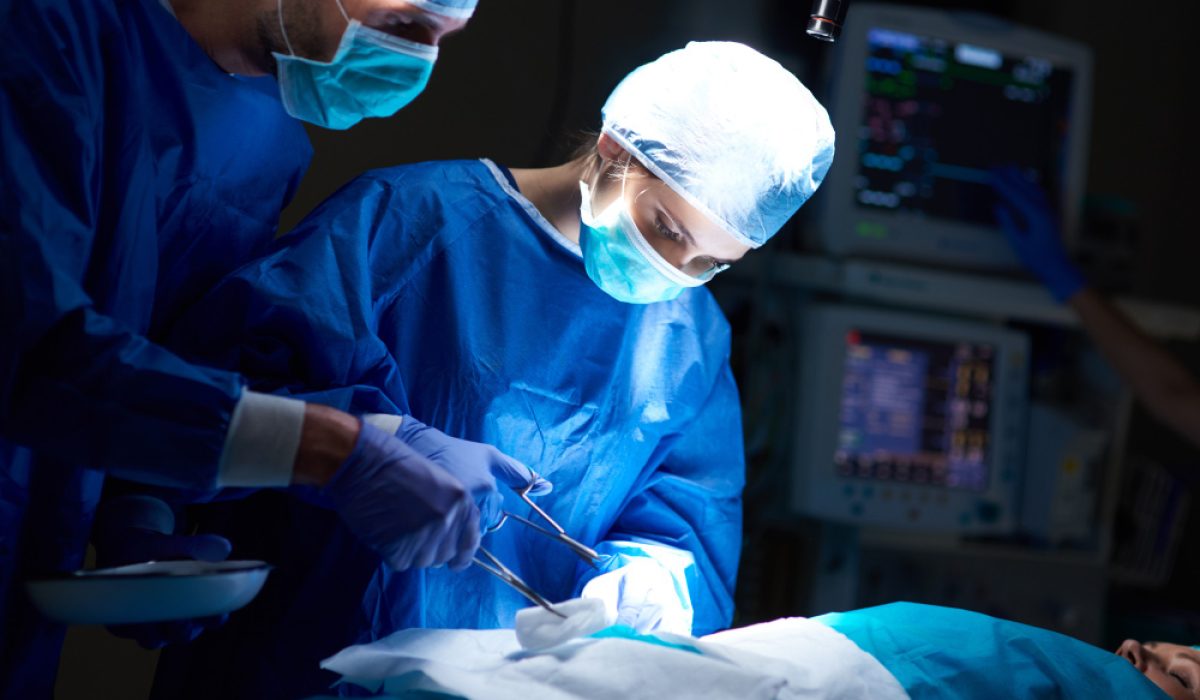
During sarcoma surgery, the surgeon removes the tumor and some healthy tissue around it. This helps lower the chance of the cancer coming back. Sometimes, doctors may need to remove nearby lymph nodes or other tissue. The type of surgery depends on the tumor’s size and location. For example, if the sarcoma is in an arm or leg, the surgeon will try to save as much function as possible. In rare cases, more tissue or even part of a limb may need to be removed.
Recovery After Sarcoma Surgery
Recovery after sarcoma surgery can take time. Right after surgery, you may feel tired or sore. Most people stay in the hospital for a few days. While in the hospital, nurses and doctors will watch you closely. They will help manage pain and prevent infection. Once you go home, you will need to rest and follow your doctor’s instructions. Sarcoma surgery recovery often includes:
Physical therapy may also help you regain strength and movement, especially if the surgery was on a limb.
Risks and Possible Complications
Like any surgery, sarcoma surgery has some risks. However, knowing these risks can help you spot problems early. Possible complications include:
If you notice fever, severe pain, or unusual swelling, contact your doctor right away. Early treatment can prevent more serious problems.
Tips for a Smooth Recovery
There are many ways to help your body heal after sarcoma surgery. For a smoother recovery, try these tips:
Remember, everyone heals at their own pace. If you have questions or concerns, talk to your healthcare team.
Prevention and Follow-Up Care
After sarcoma surgery, regular follow-up care is important. Your doctor will check for signs that the cancer has returned. You may need scans or blood tests from time to time. To lower your risk of problems, you should:
While you cannot always prevent sarcoma from coming back, early detection helps. Staying in touch with your care team gives you the best chance for a healthy future.
For personalized guidance on sarcoma surgery, consult a specialist. They can answer your questions and help you plan the best care for your needs.